High Speed CAN Communication Bus
The U0001 code means the vehicle's onboard diagnostic system has detected: High Speed CAN Communication Bus. This is a serious severity code.
- Keep driving?
- Yes, but fix soon
- DIY difficulty
- moderate
- Estimated cost
- $100 - $700 (wiring repair most often; a failed module holding the bus down at the high end)
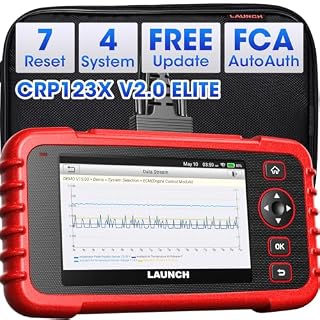
Network codes mean modules are not communicating. You need a scanner that reads all systems to find the problem.
Affiliate links — we earn a commission at no extra cost to you.
Common Symptoms
- Multiple systems offline or erratic at once
- Several modules storing communication codes together
- Possible no-start or instrument cluster blackout in severe cases
Probable Causes (Ranked by Likelihood)
- CAN bus wiring shorted - to power, ground, or the two lines to each other High
- A failed module dragging the bus down High
- Corroded or water-damaged connector on the bus Moderate
- Failed bus terminator resistance Low
Common Fixes by Vehicle
What techs usually find when diagnosing U0001 on specific vehicles — tap your vehicle for the fix and the exact part:
2007-2018 Chevrolet Silverado/GMC Sierra hard DIY
High speed CAN bus fault typically indicates a wiring problem between control modules. Start by checking the CAN bus termination resistors -- measure resistance between CAN-H and CAN-L at the OBD port (should read 60 ohms). If open circuit, a module has dropped off the bus. Common causes: rodent damage to wiring harness, corroded connector at the transmission controller, or water-damaged BCM.
Labor: 1-4 hours (diagnosis)2008-2020 Ford F-150/Explorer hard DIY
CAN bus issues on Ford vehicles are frequently caused by a corroded connector at the Gateway Module (behind the fuse panel). The gateway bridges the HS-CAN and MS-CAN networks. Check both CAN networks with a multimeter at the DLC: HS-CAN should show 60 ohms between pins 6 and 14, MS-CAN between pins 3 and 11. If one network shows open/short, isolate modules on that bus one by one.
Labor: 1-4 hours (diagnosis)2008-2020 Chrysler/Dodge/Jeep (various) hard DIY
On Chrysler CAN bus architecture, U0001 often points to the TIPM (Totally Integrated Power Module). The TIPM is the main fuse box and also a CAN bus node. Known for internal relay failures and corroded pin connectors. Inspect the TIPM connector (large gray plug underneath) for green corrosion. Aftermarket TIPM rebuild services exist and cost less than a new Mopar unit. If replacing, the TIPM must be programmed to the vehicle.
Labor: 2-4 hours (diagnosis + repair)Frequently Asked Questions
What does U0001 mean?
U0001 is a vehicle network (CAN bus) fault: High Speed CAN Communication Bus. The bus itself - wiring, terminators, or a module pulling it down - is disturbed, which can take many systems offline at once.
Can I keep driving with U0001?
Usually yes for a short period. The affected function may be degraded, and intermittent wiring faults tend to worsen - diagnose soon.
Should I replace the module for U0001?
Not first. Most communication codes are power, ground, fuse, or wiring problems. Replace the module only after those test good - modules are expensive and often require programming.
Mechanics Guide Step-by-step diagnosis
Step-by-Step Diagnostic Procedure
-
Measure resistance across CAN High and Low with the battery disconnected: about 60 ohms is normal, about 120 suggests a lost terminator, near 0 a short.
-
Check the bus voltages: CAN High idles near 2.5-3.5V, CAN Low 1.5-2.5V; both pinned at 0 or 12V means a short.
-
Unplug modules one at a time to find one holding the bus down.
-
Inspect bus wiring at high-wear points - door jambs, under carpets, near exhaust heat.
Sources 2
This page is built from documented references. Verify against your own service info before repair work.
- SAE J2012Diagnostic Trouble Code Definitions (defines the generic OBD-II code ranges)
- Cross-checked against the SAE J2012:2002 DTC table (2026-08-27)archived scan of the SAE standard — readable copy, not SAE’s current edition
Commonly Affected Vehicles
- All OBD-II vehicles - network (U) codes are standardized across makes
See All Codes & Fixes for Your Vehicle
Explore More
Was this helpful?
Send this to whoever is fixing the car — your mechanic, or the person asking what the light means.