Gear Shift Direction Circuit
The P2793 code means the vehicle's onboard diagnostic system has detected: Gear Shift Direction Circuit. This is a serious severity code.
- Keep driving?
- Short distances only
- DIY difficulty
- hard
- Estimated cost
- $200 - $3,500 (fluid/solenoid service at the low end; internal transmission repair at the high end)

Read and clear transmission codes. Many trans codes are caused by low or burnt fluid -- check level and color before assuming the worst.
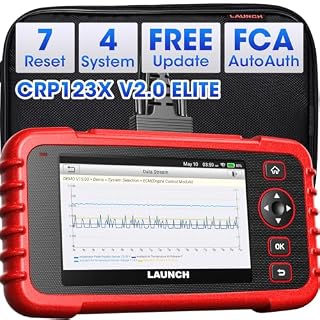
Basic scanners only read engine codes. This reads transmission, ABS, and airbag too.
Affiliate links — we earn a commission at no extra cost to you.
Common Symptoms
- Check Engine Light on
- Slipping, flaring, or wrong-gear engagement
- Transmission may enter limp mode
- RPM does not match road speed for the commanded gear
Probable Causes (Ranked by Likelihood)
- Low or degraded transmission fluid High
- Worn clutch pack or band slipping in the affected gear High
- Shift solenoid or valve body fault preventing correct engagement Moderate
- Speed sensor fault making a good gear look wrong Moderate
Frequently Asked Questions
What does P2793 mean?
P2793 is a generic OBD-II code defined by SAE J2012 as "Gear Shift Direction Circuit". It means the control module detected a fault in this circuit
Can I keep driving with P2793?
Short trips only. This fault can worsen or put the system into a protective mode without much warning, so have it diagnosed promptly.
Does P2793 mean the same thing on every car?
Yes. P2793 is in the generic (SAE J2012) range, so the definition is standardized across manufacturers. The specific component location and repair procedure still vary by vehicle - check your service information.
Mechanics Guide Step-by-step diagnosis
Step-by-Step Diagnostic Procedure
-
Check fluid level and condition first.
-
Compare input and output speed sensor values on a scan tool to verify the actual ratio in each gear.
-
Rule out speed-sensor faults before condemning the transmission - a bad sensor mimics slip.
-
If the ratio really is wrong with good fluid and good sensors, internal inspection is required.
Sources 1
This page is built from documented references. Verify against your own service info before repair work.
- SAE J2012Diagnostic Trouble Code Definitions (defines the generic OBD-II code ranges)
Commonly Affected Vehicles
- All OBD-II vehicles - this is a generic (SAE J2012) code with the same meaning across makes
Related Codes
Explore More
Was this helpful?
Send this to whoever is fixing the car — your mechanic, or the person asking what the light means.